

5 December 2025 - Amber Huff & Linda Pappagallo
Exploring rangeland myths in 2026
For much of modern history, discourses around rangelands and pastoralism have been shaped by a long and well-documented legacy of flawed, incomplete and decontextualised but powerful and enduring stories – myths that have warped the lenses through which pastoralism and rangelands are ‘seen’ and judged by different actors.
Even though paradigms of pastoralist development and rangeland ecology have undergone dramatic shifts in recent decades, rangelands and pastoralist systems remain widely misunderstood and knowledge about them is often contested.
REPAiR and rangeland myths
As part of our engagement with the International Year of Rangelands and Pastoralists in 2026, REPAiR is convening a series of activities that explore ‘rangeland myths’ in global perspective.
A major aim of the REPAiR Project is to contextualise nature-based intervention in communal rangelands in Southern Africa. But context goes beyond specific project settings, intervention landscapes and national policy frameworks and regional histories. It also requires that we consider how places, people, animals and projects are enmeshed in broader understandings, dominant knowledge structures and norms of communication and representation.
Our aim with the rangeland myths initiative is not to ‘debunk’ but rather to explore, disrupt, rethink and galvanise a shift in how we ‘see’ rangelands and pastoralism. We begin with storytelling and dialogue, seeking to create an open and constructively critical space for sharing experiences, learning, reflection and debate, a generative entry-point for rethinking dominant narratives about rangelands – about livestock, pastoralist livelihoods, agrarian change.
Key questions and monthly themes
Building on the rich legacy of cross-disciplinary scholarship and activism that has interrogated and challenged dominant myths about rangelands and pastoralism, we are asking some key questions. Where do rangeland myths come from and how have they evolved? What forms do they take in different places and spaces of debate? How and by whom are they contested? How are myths relevant to rangeland management, restoration and development? What counter-narratives and alternative stories exist, and how can they be amplified?
We will explore these and other questions in a series of monthly engagements around specific myths about rangelands and pastoralism. We will be sharing blogs, essays, art and hosting a series of online dialogues on the following themes.
Monthly themes for 2026
January – The tragedy of the commons is inevitable
- Think piece – Myth: The tragedy of the commons is inevitable, by Amber Huff
- Online conversation – 22 January at 11am GMT. Details on Eventbrite
- Audio clip: Short talks by Amber Huff and Frank Matose
February – Mobility drives conflict and insecurity
- Think piece – Myth: Mobility drives conflict, by Linda Pappagallo
- Online conversation – 26 February at 11am GMT. Details on Eventbrite
- Audio clip: Introduction by Linda Pappagallo and talk by Teklehaymanot Weldemichel
March – Pastoralists need more markets to thrive
- Think piece – Myth: Pastoralists need more markets to thrive, by Linda Pappagallo
- Online conversation – 26 March at 11am GMT. Register on Eventbrite.
April – Carbon is carbon
May – People and livestock are bad for biodiversity
June – Healthy ecosystems are always ‘green’!
July – Working with nature is a ‘new’ solution
August – Fire is the enemy
October – Consultation equals participation
December – More data leads to better rangeland management
An invitation to get involved
We warmly invite researchers, artists, writers, policy professionals, practitioners, livestock keepers, managers, herders, traders and anyone with an interest in rangelands, pastoralism and myths about them, to explore these questions with us and rethink what we think we know and how we ‘see’ rangelands and pastoralism.
There are many ways to get involved!
- Join to our monthly online conversations focused on specific rangeland myths (see dates above). These will also be announced on the main rangeland myths page.
- Complete and share our global survey on rangeland myths to share your perspective and experiences. How have you encountered myths about rangelands in your life and work? You can share as much or as little information as you like.
- Stay in touch! Send an email to Dr Linda Pappagallo or [email protected] for more information, to get involved, or if you would like to receive updates and information about upcoming events.
- Follow REPAiR on Instagram, LinkedIn, BlueSky and X and help spread the word with your networks.
- Sign up to receive our newsletter.
Please let us know if you are already working on these or similar issues!
Do you have publications, blogs or other resources to share, or would you like to be more directly involved in communications, analysis or collaborative outputs? You can send an email to Dr Linda Pappagallo or [email protected].
Related content
2 March 2026 - Linda Pappagallo
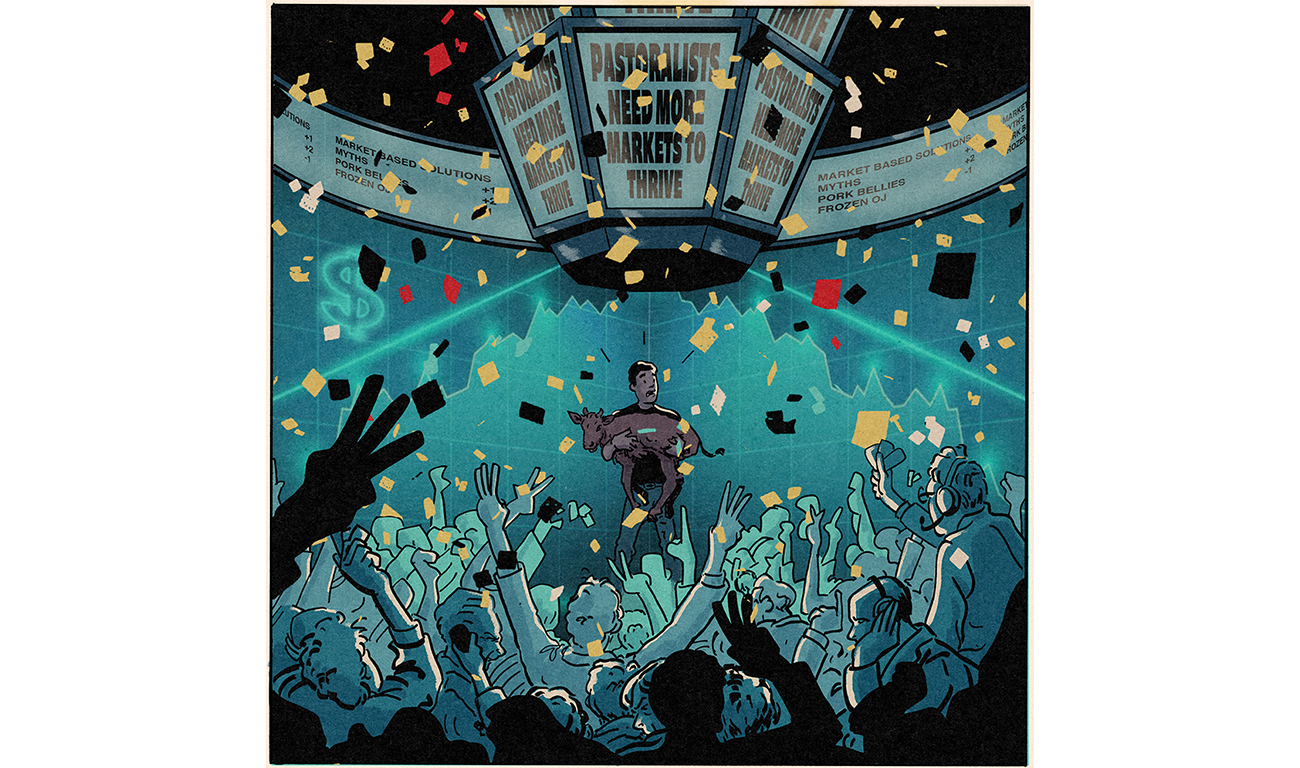
Myth: Pastoralists need more markets to thrive
The myth that pastoralists simply need ‘more markets’ to thrive rests on a set of deeply rooted assumptions about markets and animal husbandry.
2 February 2026 - Linda Pappagallo
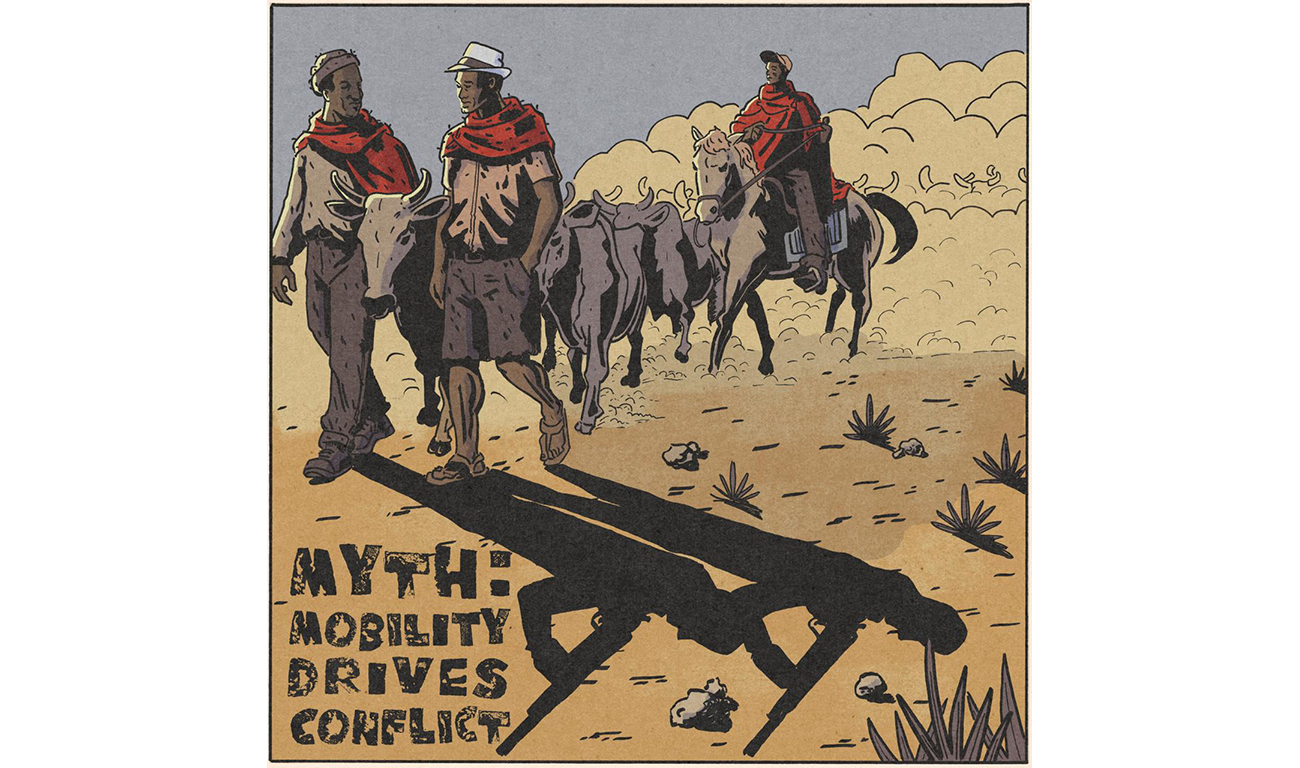
Myth: Mobility drives conflict
Bias against mobile livelihoods has a long history, through colonial regimes into modern development thinking. But mobility can be a vital tool for connection and resilience.
9 January 2026 - Amber Huff
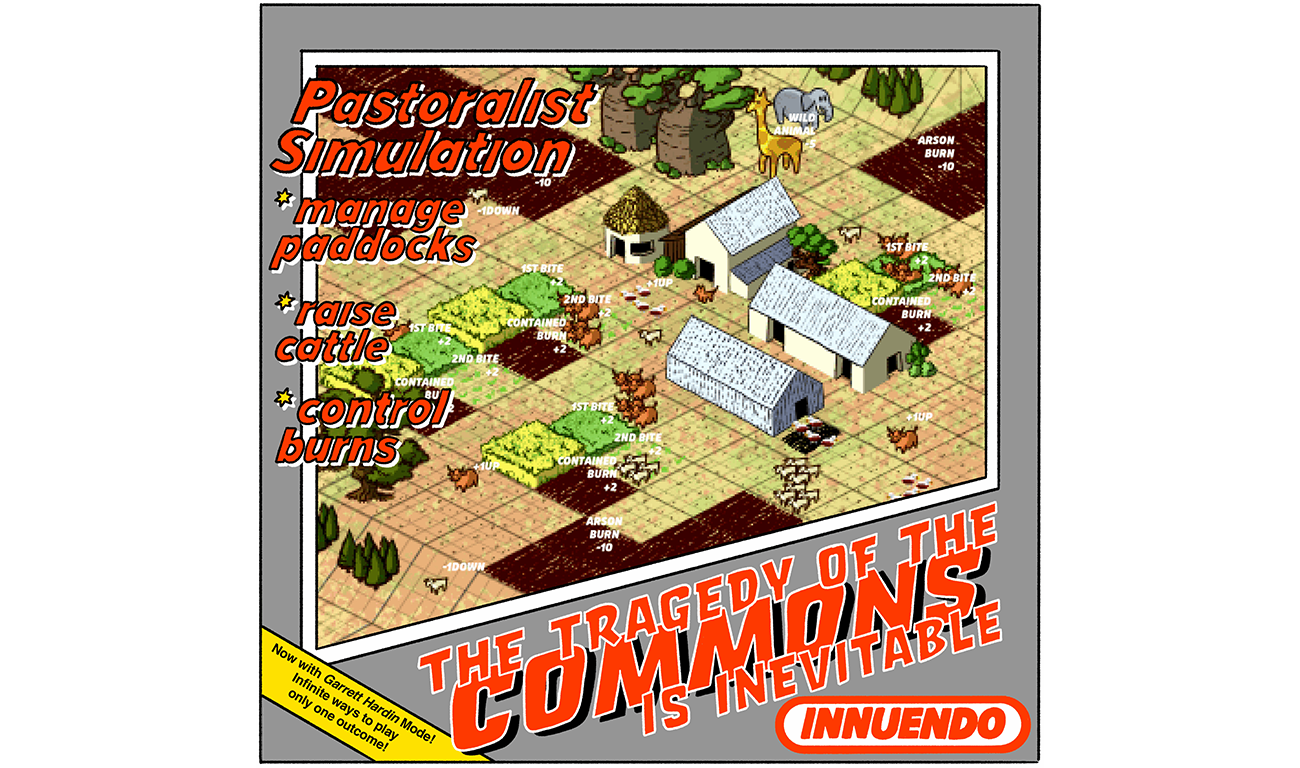
Myth: The tragedy of the commons is inevitable
As the International Year of Rangelands and Pastoralists calls attention to the global diversity, importance, and governance of the world’s rangelands, the myth of the tragedy of the commons is particularly relevant and illustrative of the power and dangers of universalising and reductive myths.
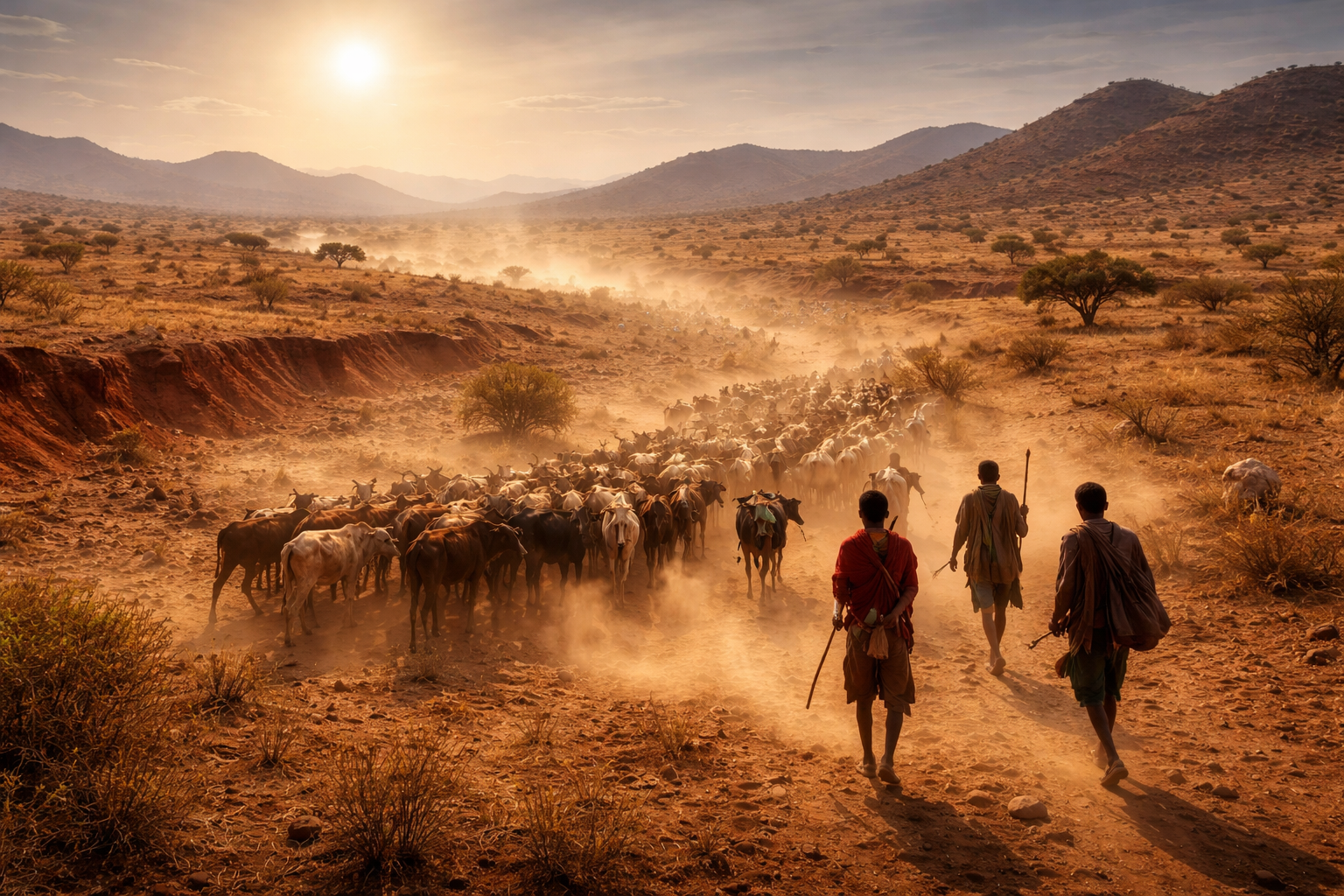
27 December 2025 - Amber Huff & Linda Pappagallo
Rethinking what we think we know about rangelands and pastoralism
In this introductory blog on ‘rangeland myths’ we emphasise the need to rethink what we think we know about rangelands and pastoralism in ways that are open to diverse perspectives, experience and knowledges.