
BLOG

Posts
Search
Content type
7 October 2026
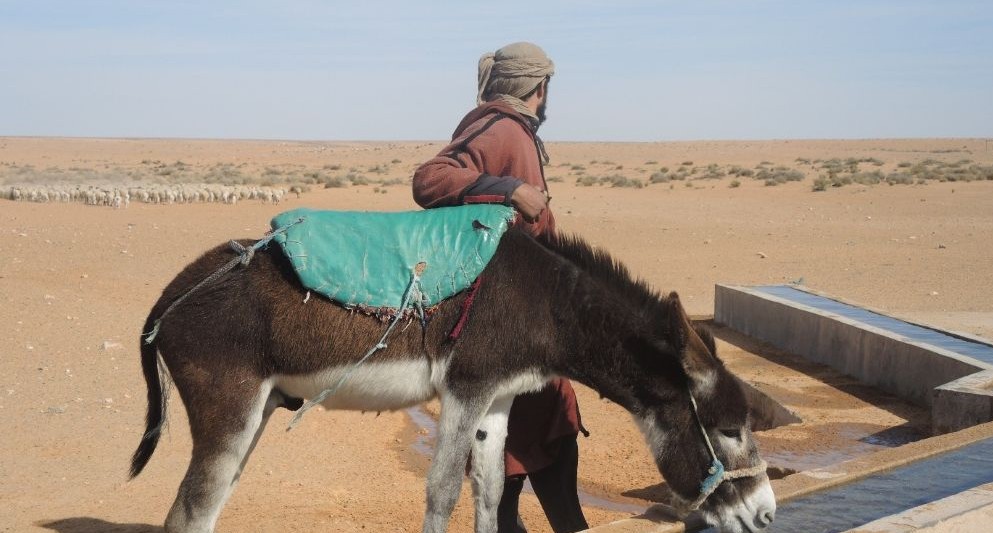
Green Desertification – Perspectives on the Tunisian Steppe
The myth that healthy ecosystems are green persists around the world – including in Tunisia, where arid lands are wrongly viewed as ‘degraded’.
29 September 2026
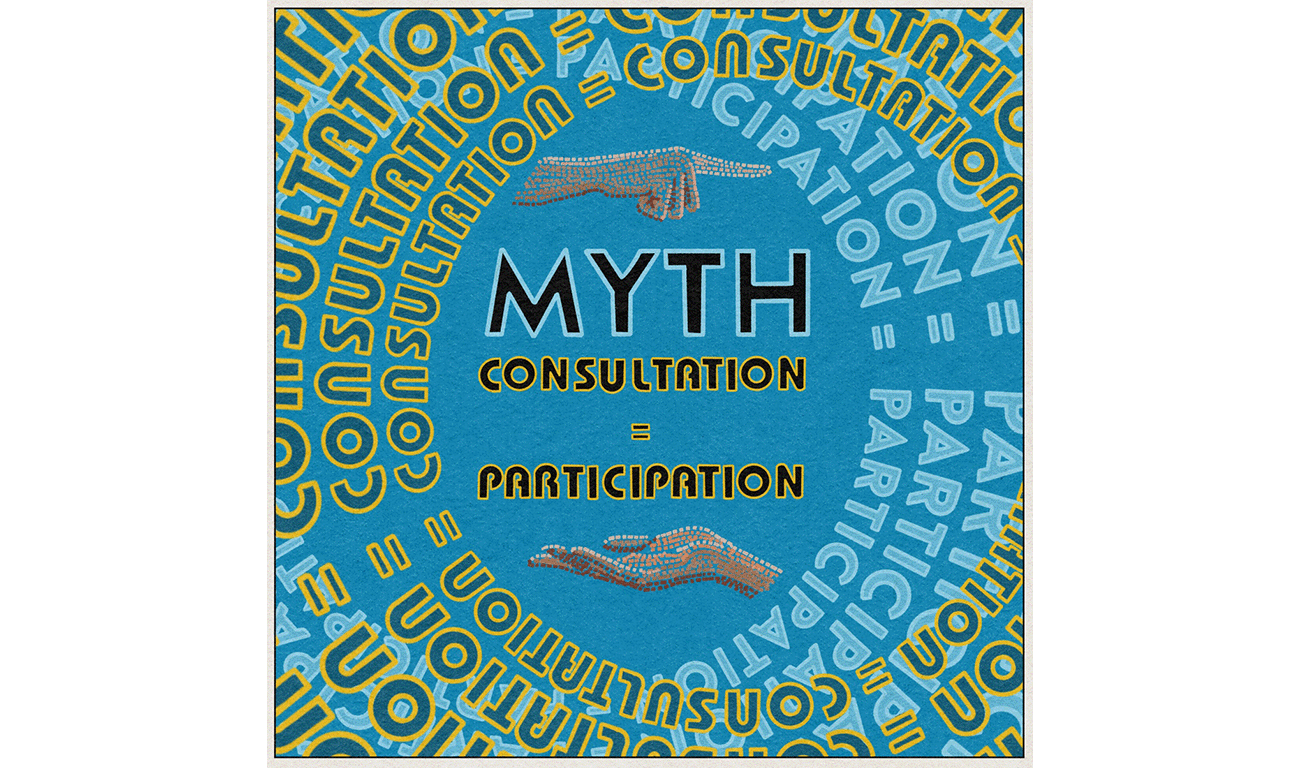
Myth: ‘Consultation = Participation’
Labelling a programme or project participatory is a common way to signal its virtuous aims – but too often, aims and decisions are set by experts, external actors or powerful stakeholders.
14 August 2026 Livasoa Randriamanalina
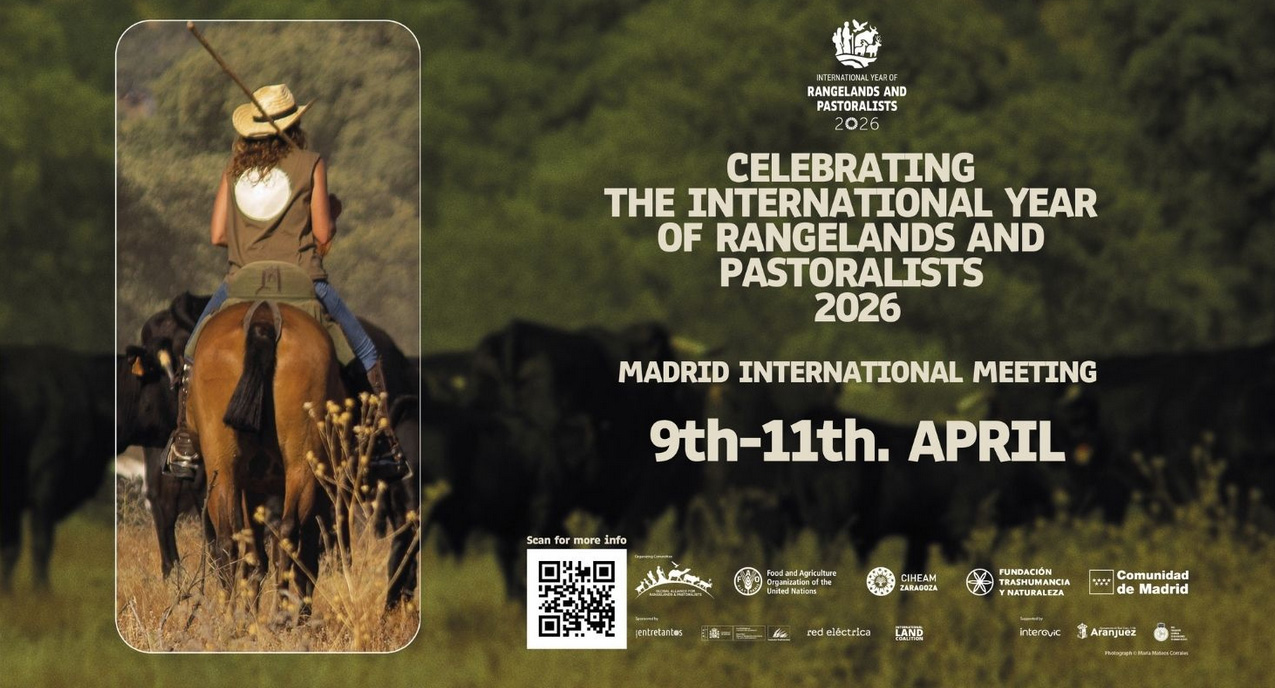
Pastoralism and the Future of Rangelands – reflections from IYRP in Madrid
A global gathering for the International Year of Rangelands and Pastoralists, organised in Madrid in April, offered lessons from Spain to Madagascar and beyond.
13 August 2026 Maria Vorontsova & REPAiR Project
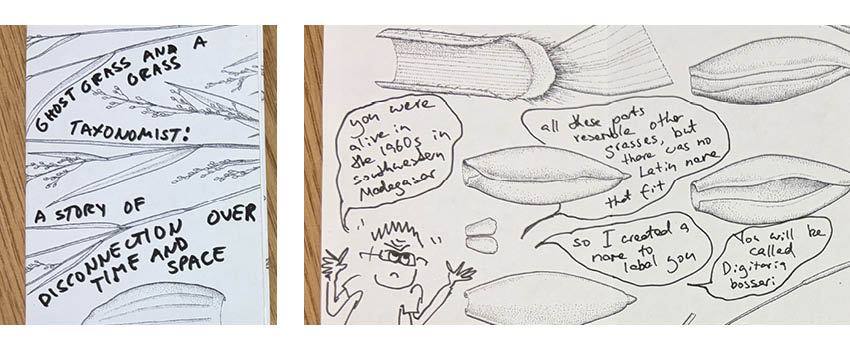
Zine: Ghost grass
A hand-made booklet that explores the questions and mysteries involved in studying grasses in Madagascar.
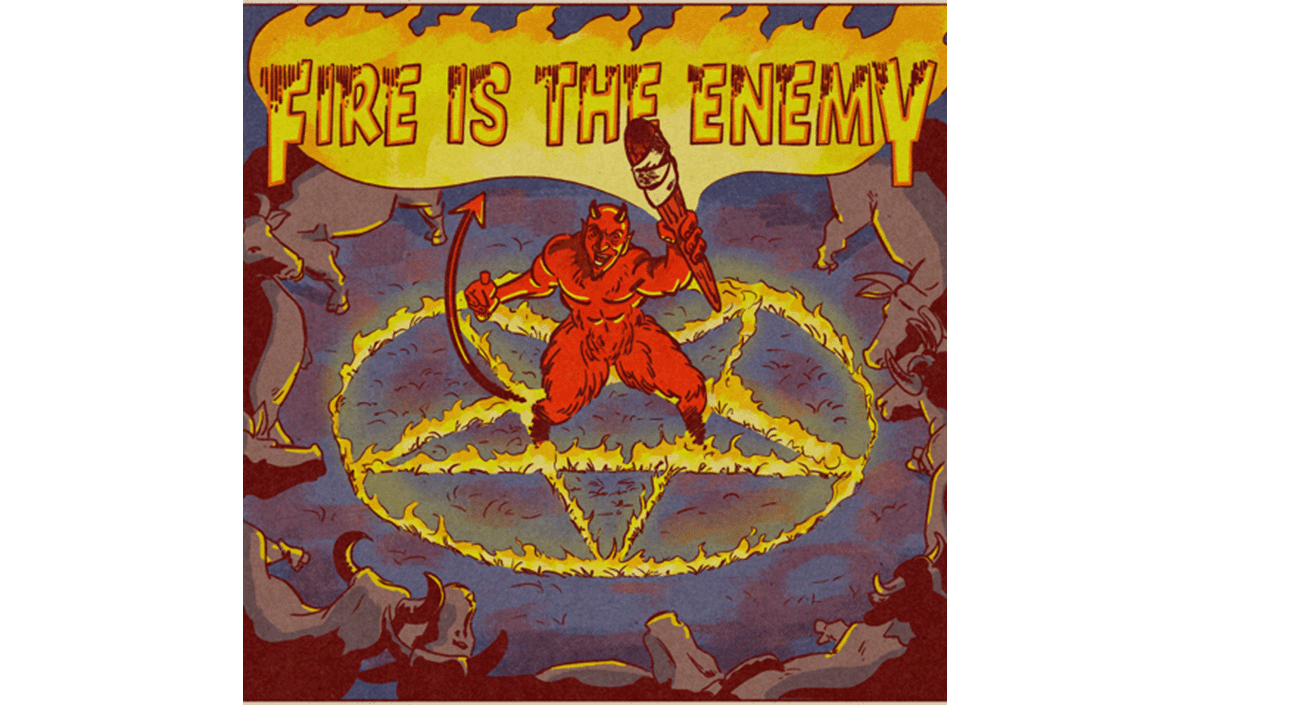
4 August 2026 Amber Huff , Kevin Kirkman & Maria Vorontsova
Myth: Fire is the enemy
Fires play a crucial role in maintaining thriving grasslands around the world. So why is fire so often portrayed as a wholly destructive force?

26 June 2026
Discussing ‘nature’, ‘solutions’ and ‘repair’ at POLLEN26
REPAiR Project members will discuss our research in a session at POLLEN26, the international conference of the Political Ecology Network.
Project Partners