

3 June 2026 REPAiR Project
Debating policy and action for Madagascar’s pastoralists and rangelands
The REPAiR Project shared research insights with policy makers and others at the launch of the International Year of Rangelands and Pastoralists (IYRP) in Antananarivo.
An event to highlight and discuss the present and possible futures of Madagascar’s pastoralists and rangelands was held in Antananarivo on 15 May, co-hosted by the REPAiR Project and GIZ (the German Society for International Cooperation). The event covered recent and ongoing research on rangelands, and what interventions or policies might seek to achieve, and who would benefit.
The event marked the launch of the International Year of Rangelands and Pastoralists (IYRP 2026) in Madagascar. Globally, IYRP 2026 has been designated by the United Nations as a focus for attention and action on a type of landscape that has often been neglected or misunderstood in policy. In Madagascar, pastoralism covers significant areas of the country, but it has often been misunderstood or blamed for environmental problems.
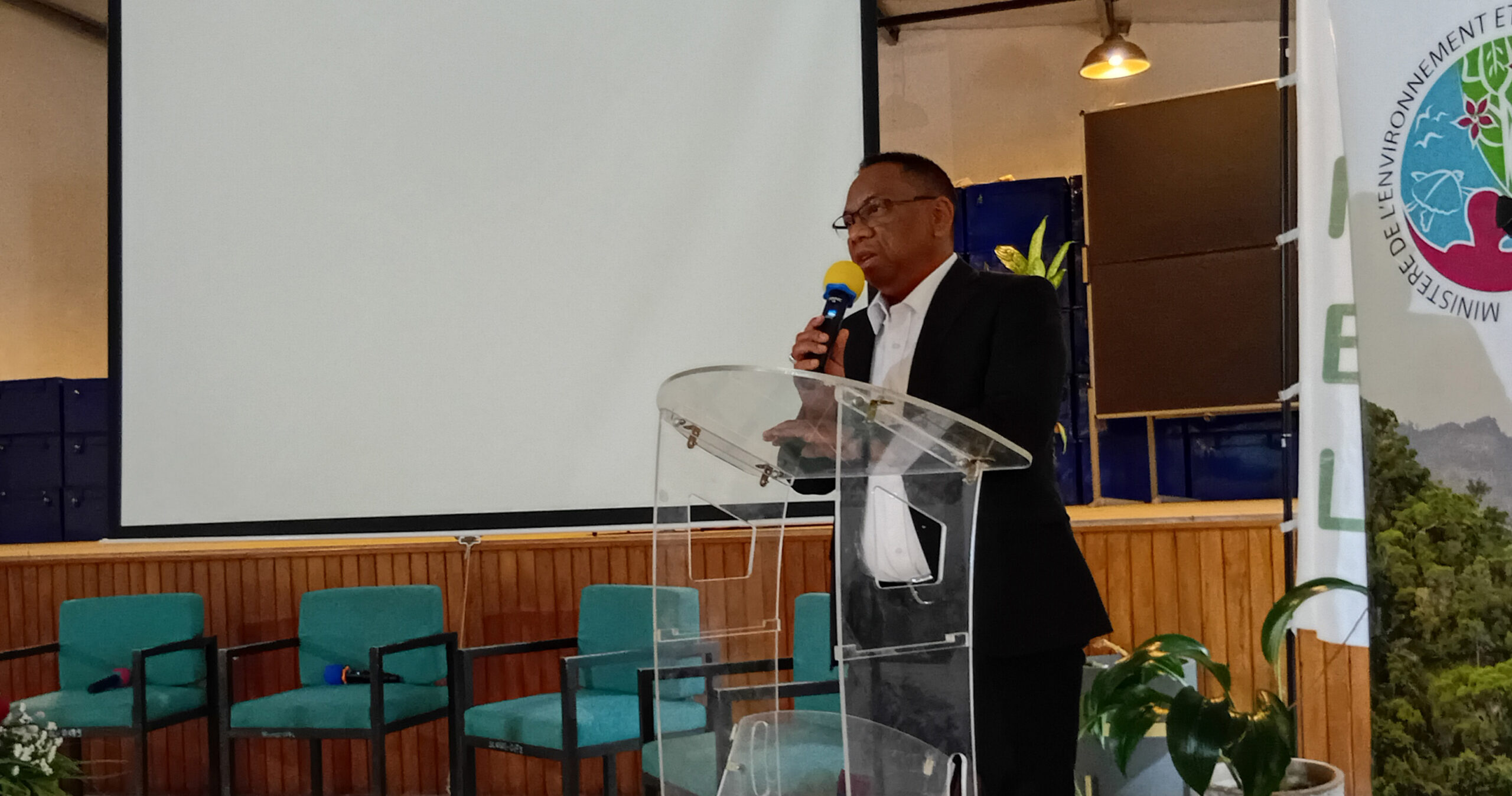
The event in Antananarivo was addressed by Riana Nantenaina Randrianomenjanahary, Minister of Livestock, and Hanitriniaina Rarivomanana, Interim Director of Environmental Governance, as well as representatives from the IKI Growing Greener project and other organisations. The REPAiR Project shared its findings via talks from Amber Huff (IDS), principal investigator, and other team members and collaborators including Patricia Hajasoa, Kwanele Siyengo (Meat Naturally Africa) and Bat Maria Vorontsova (Royal Botanical Gardens Kew).
Why pastoralism matters in Madagascar
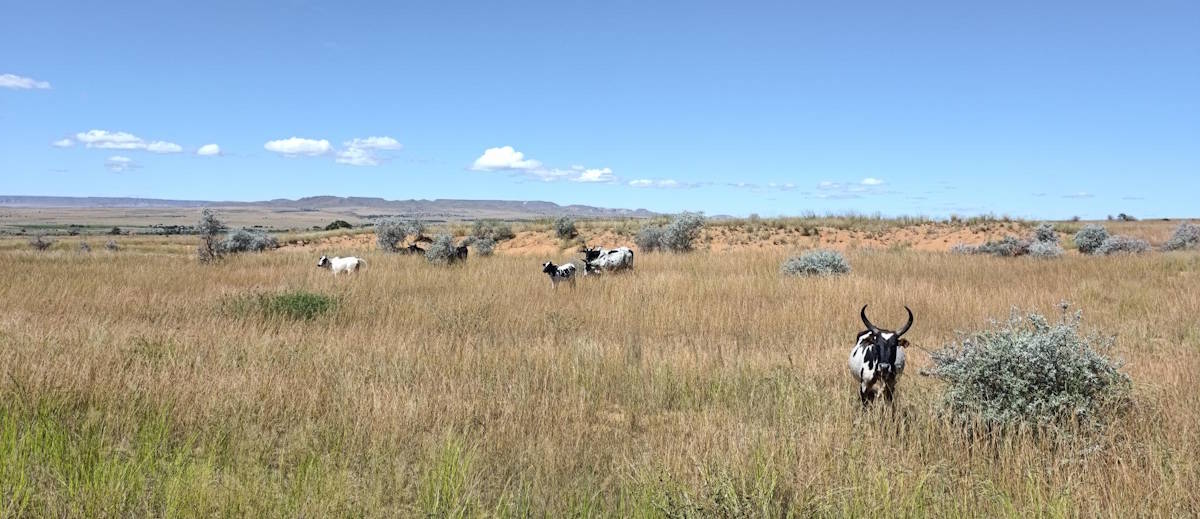
In Madagascar, grasslands make up at least 65 percent of the country’s land area, and pastoralism is a livelihood for many people. Zebu cattle – seen throughout Madagascar and distinguished by their humps and curved horns – play a central role in Malagasy culture, livelihoods and ecology. However, in contrast to other nearby countries such as South Africa, there has been relatively little development of large-scale commercial markets, abattoirs or value chains for meat, milk or other livestock products.
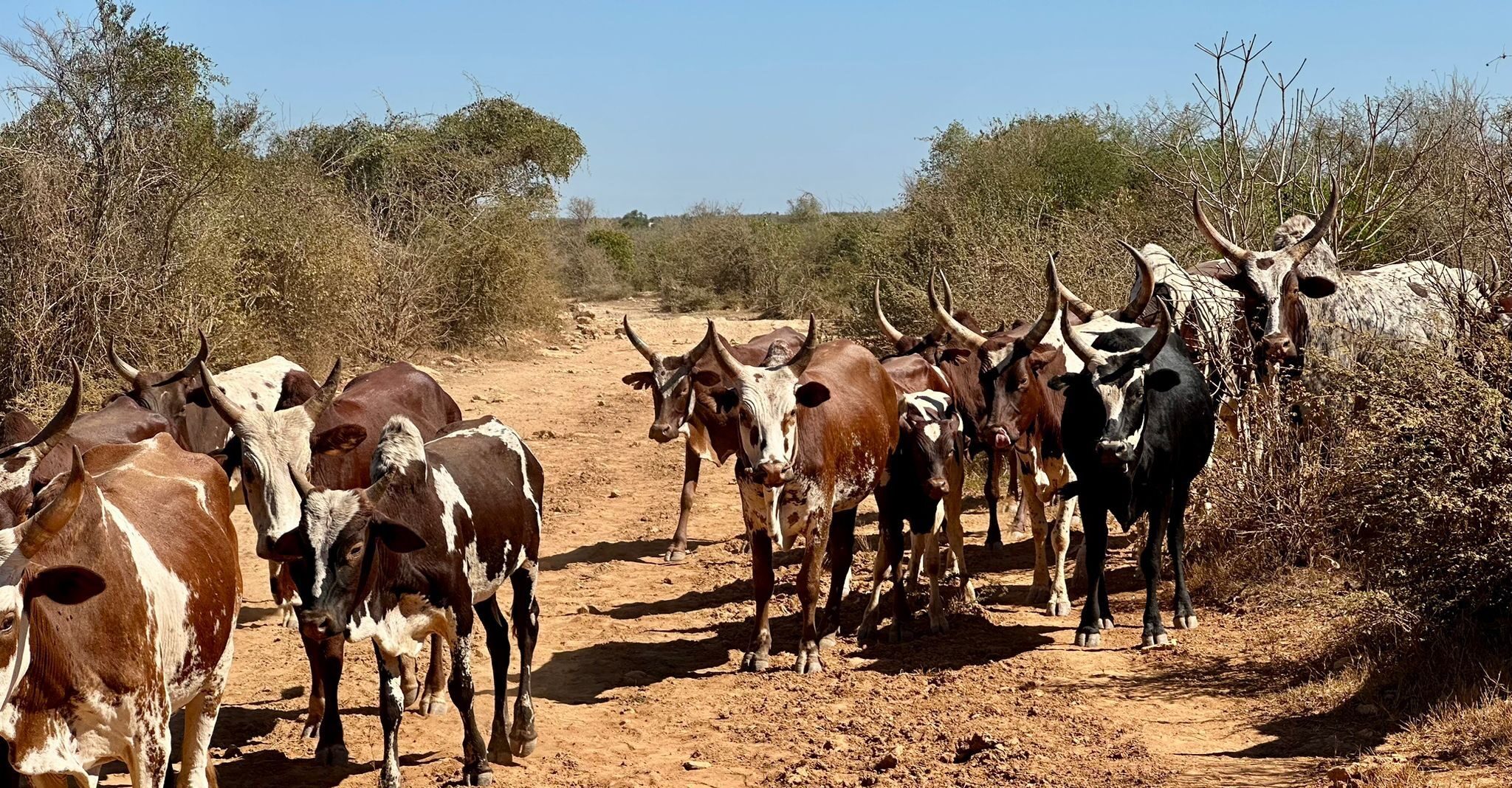
Pastoralists typically herd animals over large areas, going out and returning in daily patterns that move seasonally to take advantage of water and different plant species. How this happens in different places depends on people’s traditions and a detailed knowledge of what works locally, as well as responses to opportunities, shocks or stresses.
Grazing is often practised alongside small-scale cultivation of vegetables and keeping smaller livestock like goats, sheep and chickens, and the layout of rural communities can also include sacred and protected land, including trees and forests. Connections and relationships with nearby towns and other villages are important.
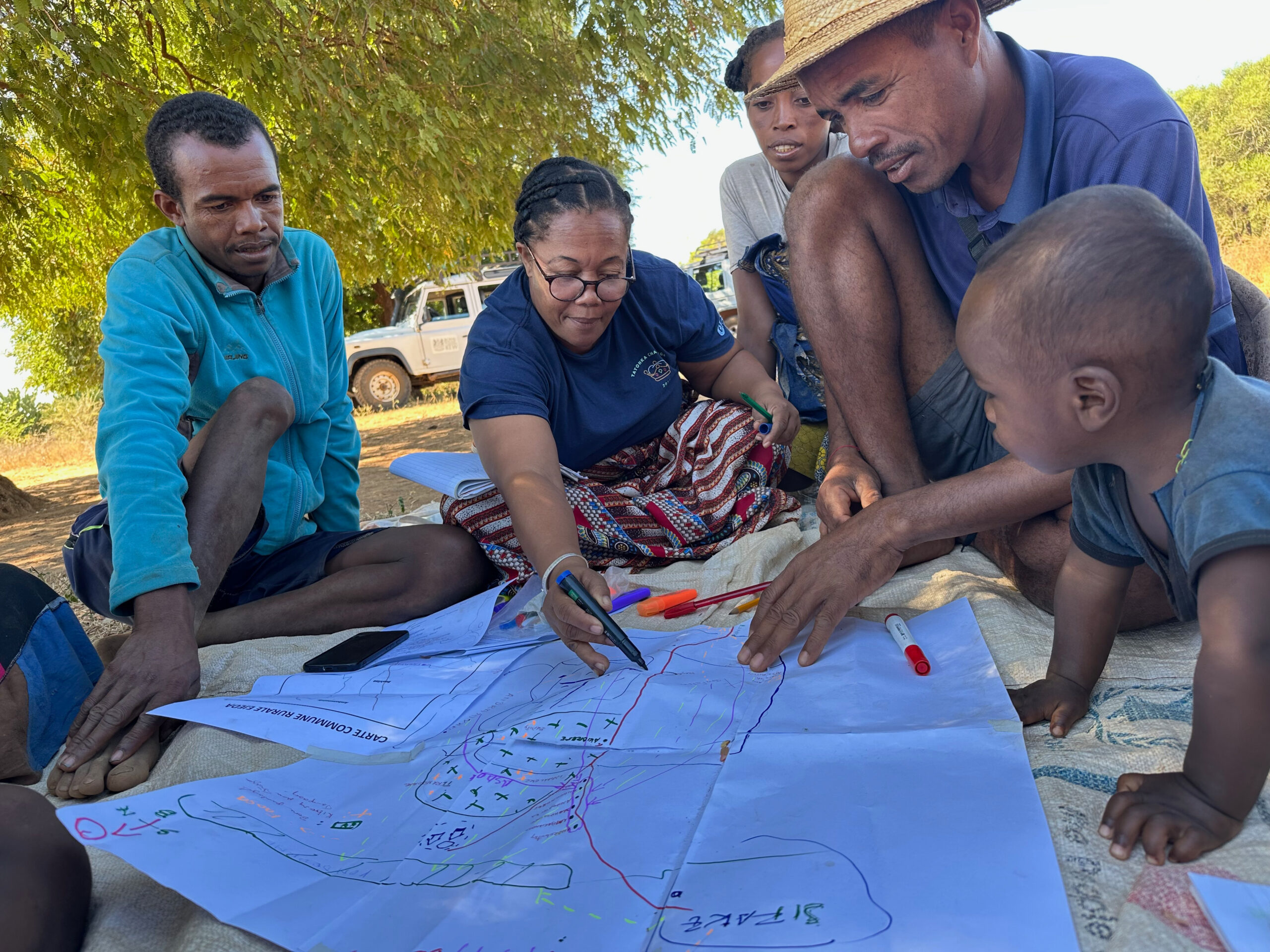
Mapping a village area in Southwest Madagascar. Photo: Amber Huff
Also important are the varieties and uses of grasses and other plants. During research in southwest Madagascar, the REPAiR team discussed local names, seasonal availability and uses for a number of different grass species. Grass is not only grazed but is an important material in housebuilding. Alongside grass, spiny plants such as prickly pear (raketa) can also be eaten by people and cattle or used as fencing, and trees are used as shady gathering places and boundary markers.

Arguments about grazing and fire
Regular grazing not only keeps animals fed but can also encourage fresh young grass and other plants to grow. Controlled fires, at particular times of year, are also used to clear tough grasses and stimulate new growth from roots that survive underground.
Around the world, mobile grazing and the use of fire have sustained pastoral life for centuries, but both of these practices have been contentious or misunderstood in Madagascar, as in other countries, shaped by deeply rooted rangeland myths. The assumption that grasslands are ‘degraded’ forests, solely created by human expansion, is being challenged by ongoing research into the long history and evolution of grasses and grasslands on the island.
As for the use of fire, some conservationists and policy makers advocate to ban it altogether, labelling it as destructive. In theory, national law and policy do allow fire to be used in some circumstances, but in practice it can be difficult for pastoralists to use fire in a way that complies with regulations.
Despite this, the REPAiR Project’s research in Madagascar suggests that pastoralists have long used grazing and fire successfully to maintain healthy rangelands, despite the challenges they face. A chronic drought lasting over 30 years by some accounts means water is scarce and expensive, and villages need better access to water and other amenities, including roads and access to mobile phone networks.
Photo: A banner at the event discouraging the use of fire
Challenges for the future
Drought and poor roads are not the only issues that rural Malagasy communities face. Another issue is the encounter with new models and interventions for landscape restoration, which are often based on designs from overseas and must be adapted for local needs. Such adaptations can be difficult and time-consuming, and must start with people’s existing knowledge, histories, values and practices, some of which are deeply embedded and not easily viewed through a single lens of ecology or productivity, or amenable to project timelines and budgets.
A further issue is the desire to ‘modernise’ or ‘update’ livestock farming and rural areas for the modern age. The promise of a more ‘productive’ or profitable livestock sector is attractive for some, as is the lure of investments to buy and repurpose land for mining and commercial agriculture. Such investments might stimulate certain forms of economic growth, but the question is whether pastoral communities and rangelands benefit. Some of these communities are often a great distance – spatially and socially – from the administrative centres where policies are discussed and ultimately decided.
The research in Madagascar is part of the REPAiR Project’s transdisciplinary work in rangelands across the Southern Africa region, where we are trying to better understand how approaches to landscape restoration can be context-sensitive, equitable and community-led.
Related posts

28 April 2026 Linda Pappagallo
Myth: ‘People and livestock are bad for biodiversity’
Beyond myths based on stories of lost Paradise or a romantic wilderness, there are diverse ways of seeing the relationships between humans, livestock and wildlife.
29 May 2025 Livasoa Randriamanalina
Understanding pastoralism in southern Madagascar
Understanding the cultures and contexts of pastoralism in Madagascar is vital to supporting resilience in rangelands.