

22 October 2026 Wisse van Engelen
From fences to art: changing the role of wire
Last month, REPAiR associate researcher Wisse van Engelen organized a wire arts workshop in the village of Habu, Botswana.
Habu is a village located on the western edge of the Okavango Delta in northern Botswana. People here live next to a fence that has been built to separate them and their livestock from tourists and wildlife inside the Delta.
Habu’s inhabitants therefore mostly see wire as a tool of division and control. On the one hand, it helps protect them and their livestock from dangerous wildlife, including the African buffalo, which is known to be a reservoir host for foot-and-mouth disease. But on the other hand, they also associate it with a ‘fences and fines’ approach to conservation, excluding them from valuable hunting and grazing lands historically used during droughts. As one person put it: “I thought that wire’s only task was to be used for fences.”
As historians have pointed out, wire has indeed been developed as a political technology that can be used to efficiently block the mobilities of animals as well as people (Razac, 2002; Retz, 2004).
But is that all wire can be?
In a recent workshop in Habu, artist Milton Mjuru showed that the same material used for the Buffalo Fence near Habu can be used to make art: “the wires that they use [for the Buffalo Fence] is the same wire that, again, we survive upon.”
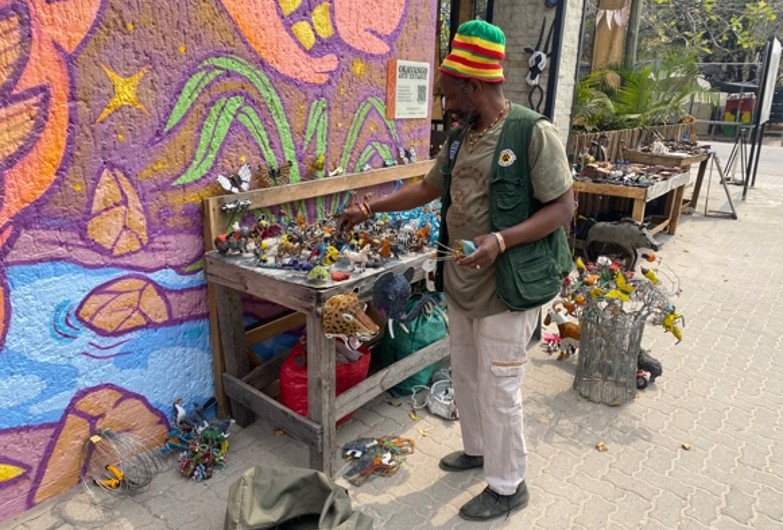
As a child, he started learning wire craft by making bush wire cars in his home country Zimbabwe: “Because our parents couldn’t afford to buy us some toys, we had to make our own toys to play around with. I was very good at it, and I could make and sell to some of these youths that were not good at making them.”
He repurposed wire literally, as the raw materials were not available to him in stores: “The wire now we could get it from anywhere: from the fences of the people, pick them up around… Hei! We were beaten! We were caught getting some of this fence [laughs].”
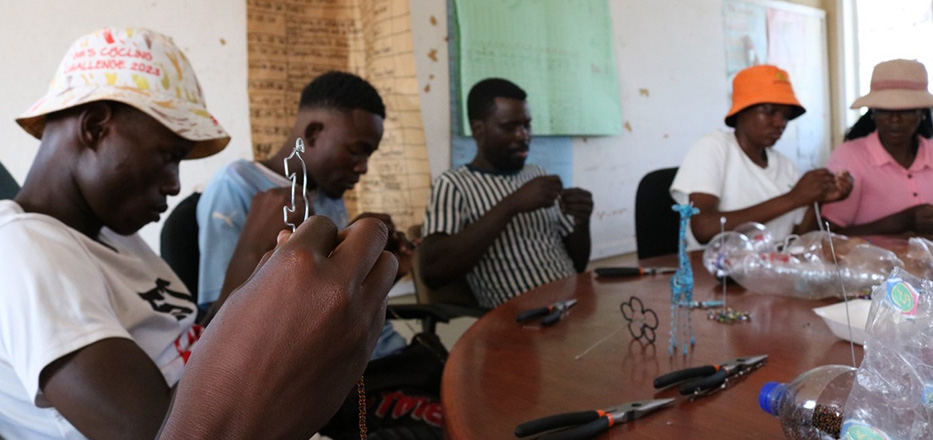
Workshop participants in Habu also got a taste of how wire can be used to craft artworks. Organized by REPAiR associate researcher Wisse van Engelen, the one-day workshop involved twelve people from Habu who had previously been exposed to experiences and stories about the Buffalo Fence.
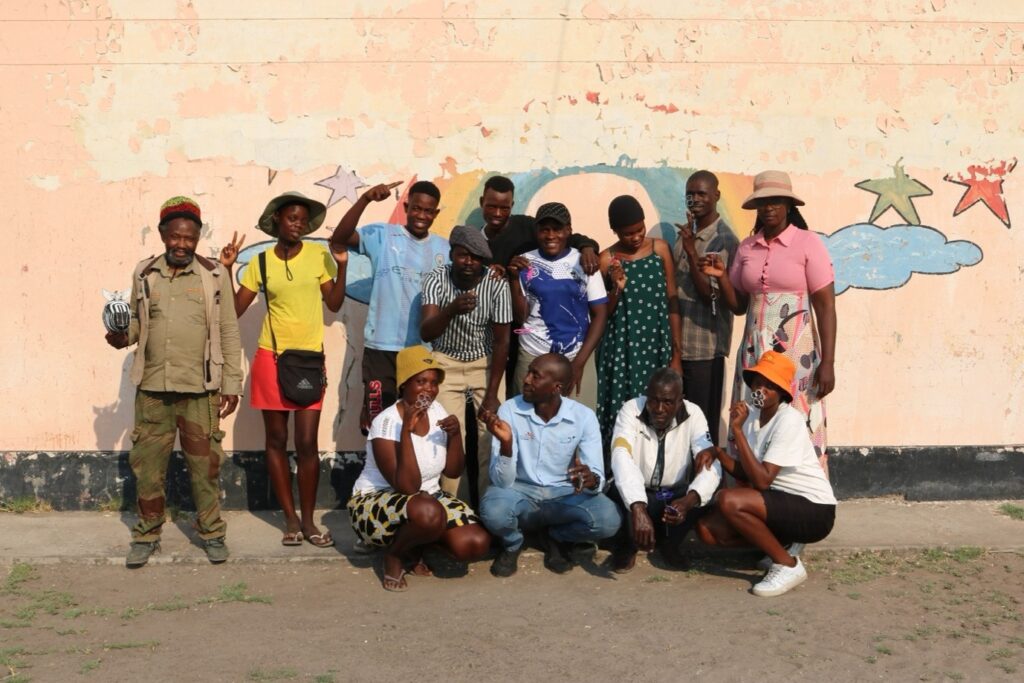
As one participant put it: “At first I thought it was just wire and beads but when I saw how you can turn wire and beads into beautiful animals, jewelry and cars with your own hands, I felt amazed.”
Equipped with a pair of pliers, lots of loose wire around the village and their newly-acquired skills, many participants expressed the ambition to continue making wire arts. One partipant mentioned: “I learned that working with wire is a source of income also. And it can take you far, it can make you rich. Because even that business from that elder, Mjuru… he is surviving upon that wire.”
The works made by the workshop participants are currently on display in the Nhabe museum in Maun. As part of a special exhibition on the Buffalo Fence, their creations tell the story of how wire’s role can be changed.
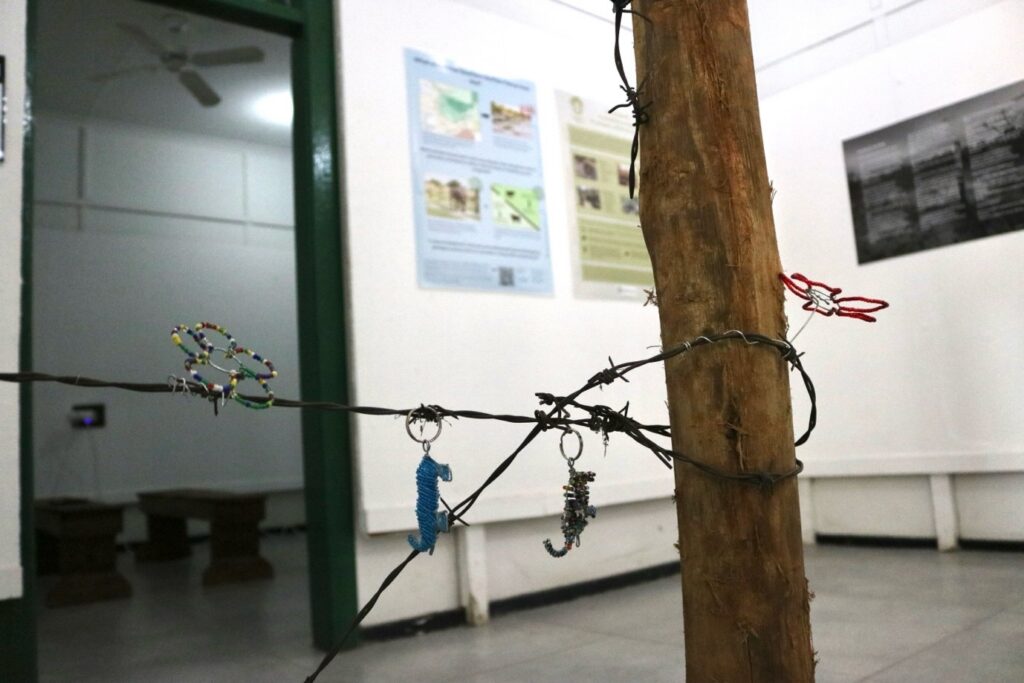
Photos: 1: Workshop in progress. 2: Milton with his works at his stand. 3: Milton and the workshop participants showing their creations. 4: Wire works from the Habu workshop on display at the Nhabe Museum in Maun. All photos by Wisse van Engelen
Related content
28 April 2026 Linda Pappagallo
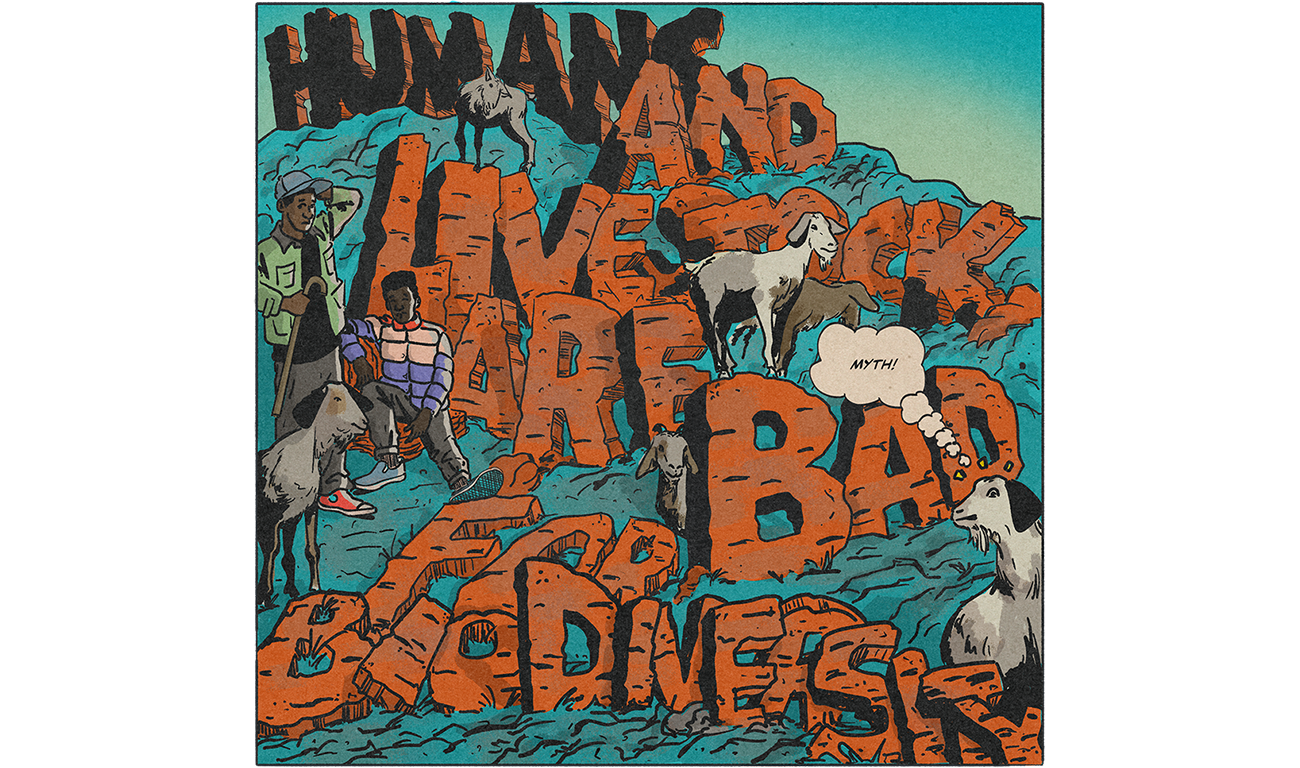
Myth: ‘People and livestock are bad for biodiversity’
Beyond myths based on stories of lost Paradise or a romantic wilderness, there are diverse ways of seeing the relationships between humans, livestock and wildlife.
31 March 2025 Linda Pappagallo
‘Storying’ rangelands with poetry and comics
Can poetry and comics help us think differently about rangelands?