

22 October 2026 Wisse van Engelen
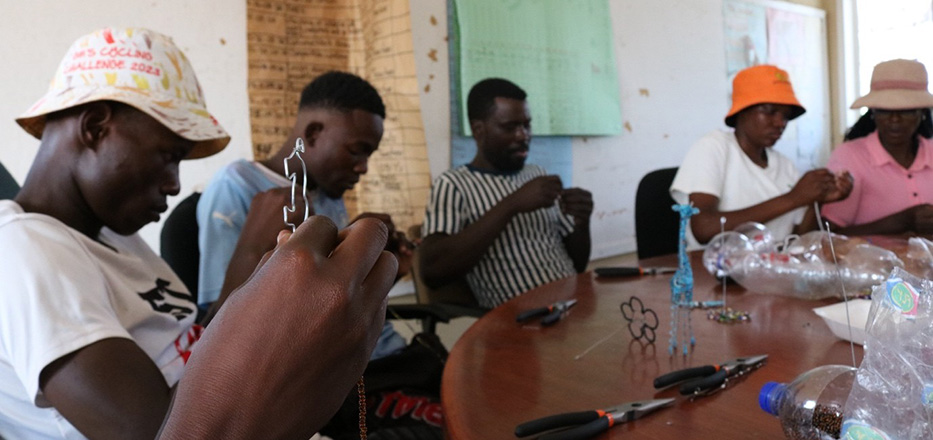
From fences to art: changing the role of wire
An arts workshop in Botswana explored the use of wire fencing to divide and control, as well as the potential to create art and tell stories from wire.
7 October 2026
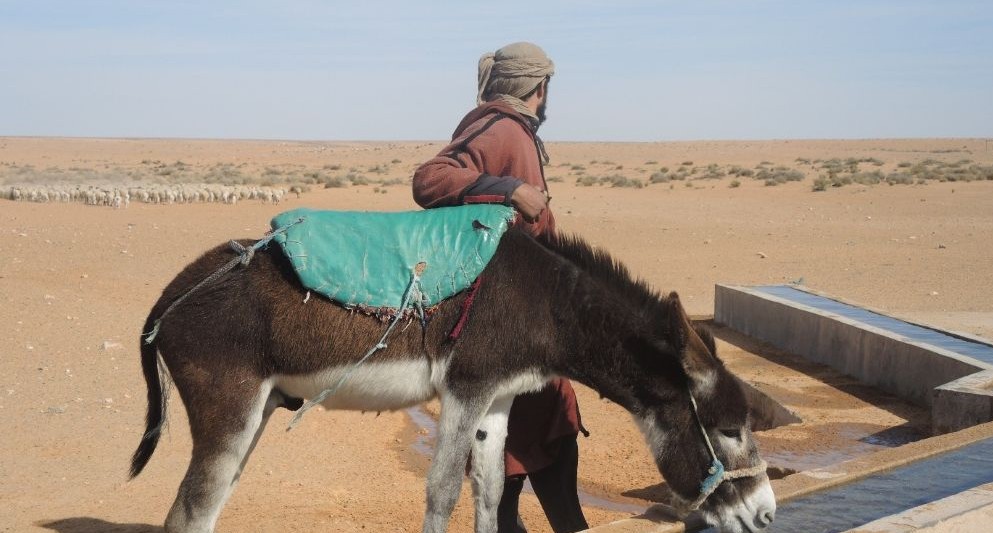
Green Desertification – Perspectives on the Tunisian Steppe
The myth that healthy ecosystems are green persists around the world – including in Tunisia, where arid lands are wrongly viewed as ‘degraded’.
29 September 2026
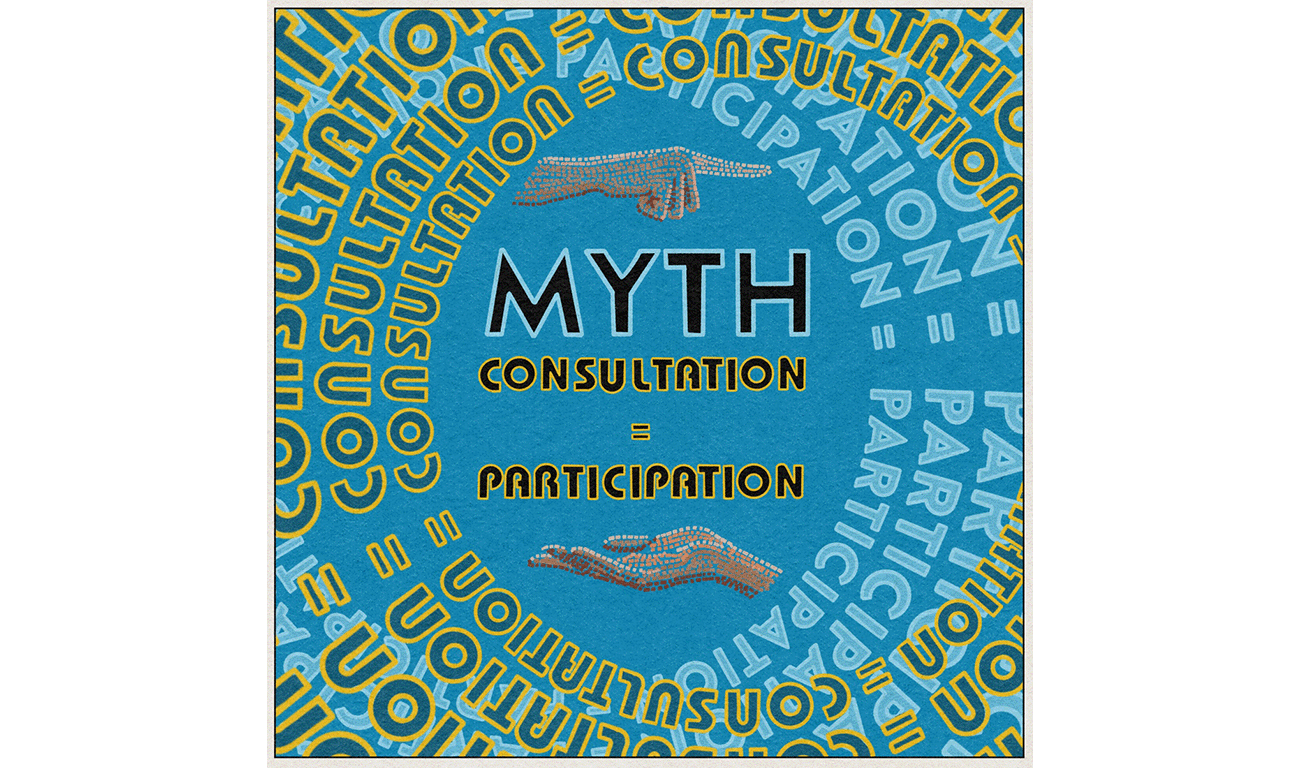
Myth: ‘Consultation = Participation’
Labelling a programme or project participatory is a common way to signal its virtuous aims – but too often, aims and decisions are set by experts, external actors or powerful stakeholders.
14 August 2026 Livasoa Randriamanalina
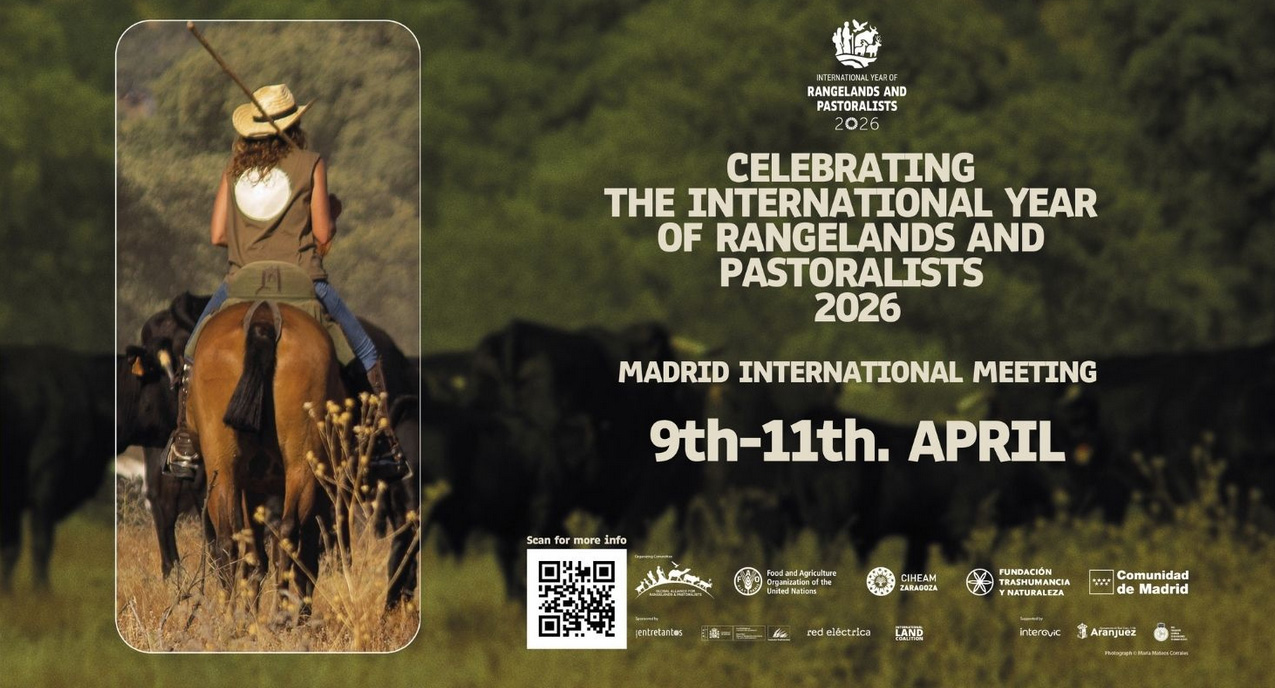
Pastoralism and the Future of Rangelands – reflections from IYRP in Madrid
A global gathering for the International Year of Rangelands and Pastoralists, organised in Madrid in April, offered lessons from Spain to Madagascar and beyond.
13 August 2026 Maria Vorontsova & REPAiR Project
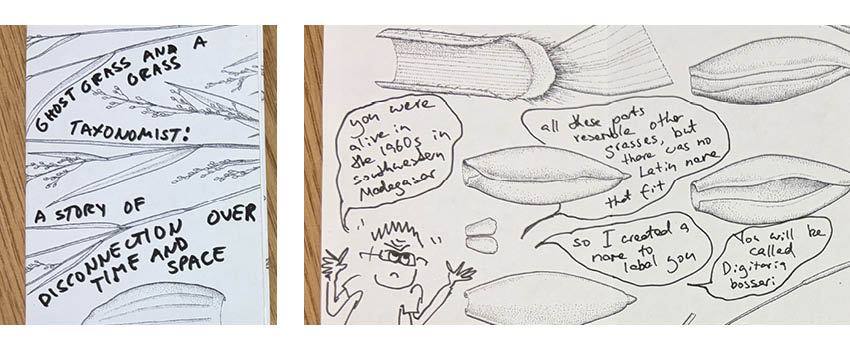
Zine: Ghost grass
A hand-made booklet that explores the questions and mysteries involved in studying grasses in Madagascar.
4 August 2026 Amber Huff , Kevin Kirkman & Maria Vorontsova
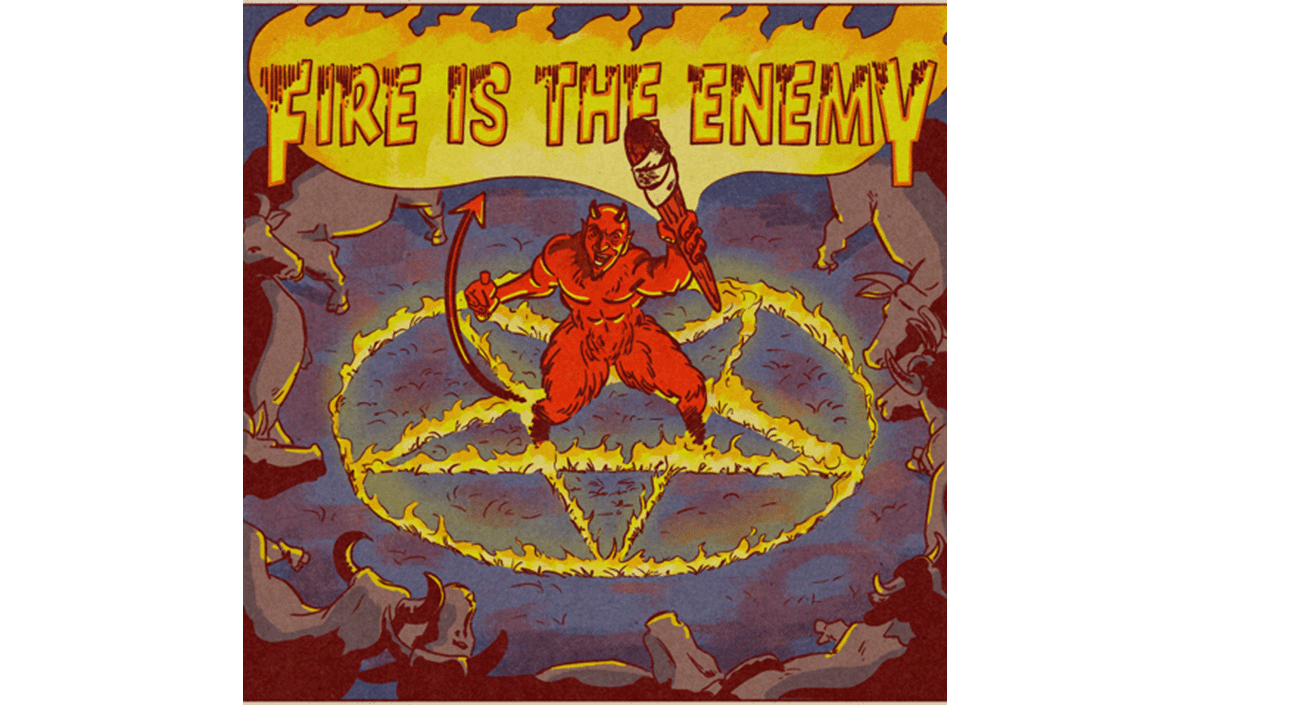
Myth: Fire is the enemy
Fires play a crucial role in maintaining thriving grasslands around the world. So why is fire so often portrayed as a wholly destructive force?

26 June 2026
Discussing ‘nature’, ‘solutions’ and ‘repair’ at POLLEN26
REPAiR Project members will discuss our research in a session at POLLEN26, the international conference of the Political Ecology Network.
3 June 2026 REPAiR Project
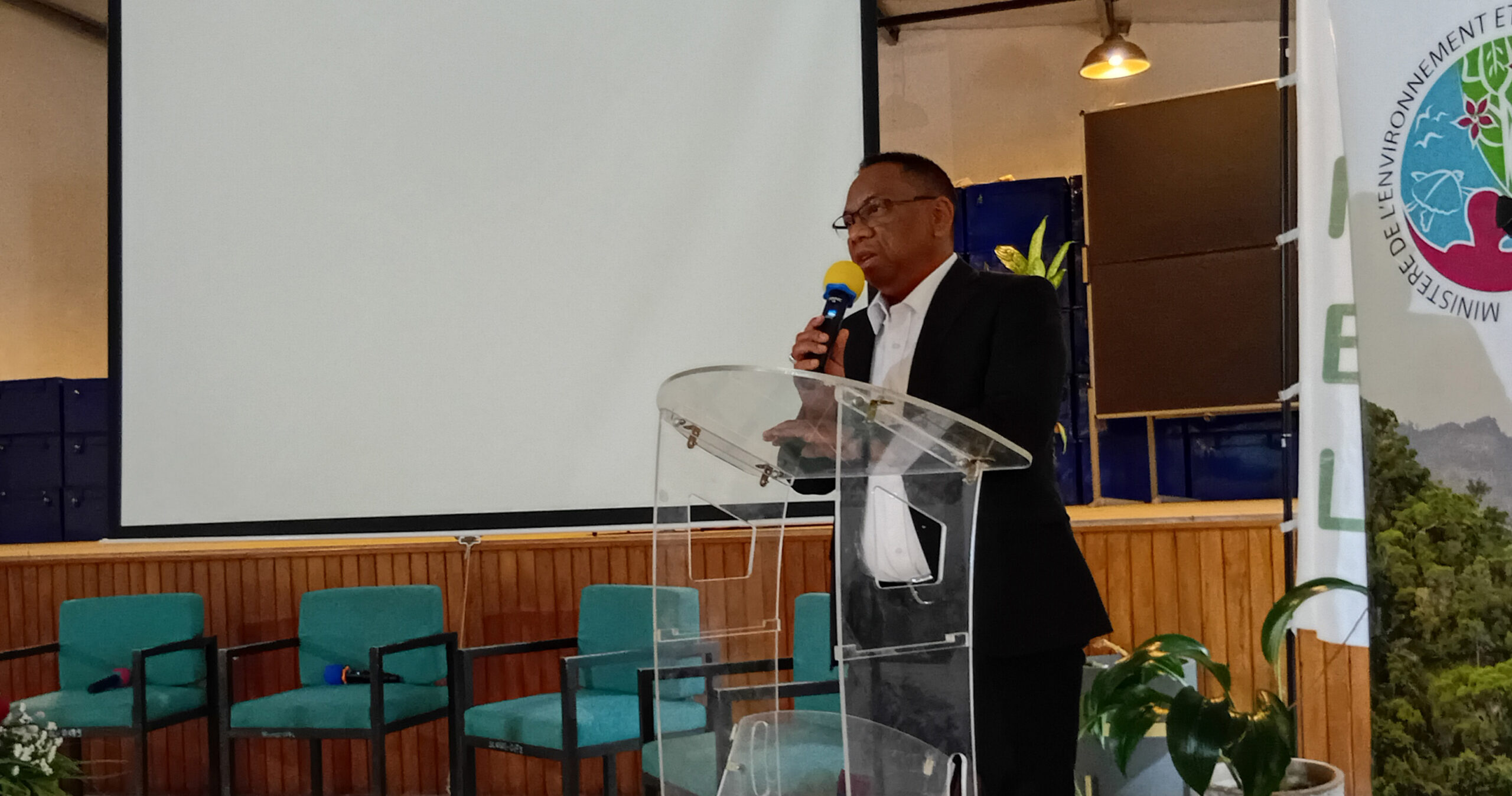
Debating policy and action for Madagascar’s pastoralists and rangelands
The REPAiR Project shared research insights with policy makers and others at the launch of the International Year of Rangelands and Pastoralists (IYRP) in Antananarivo.
2 June 2026 Simphiwe Tsawu & Tafadzwa Dzingwe
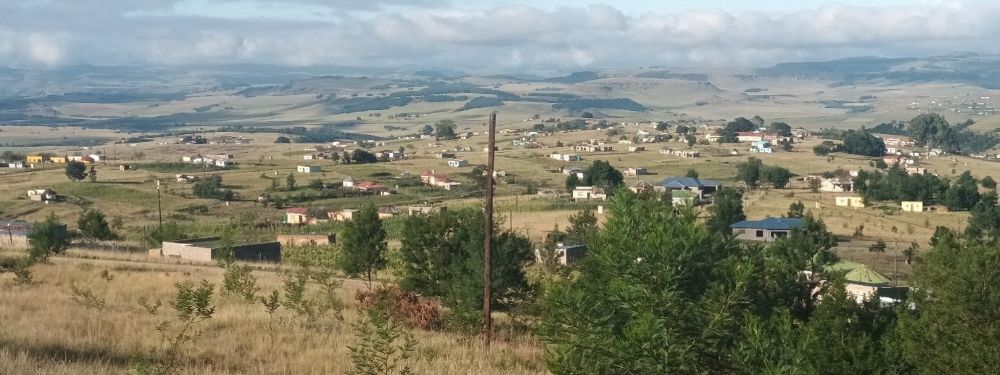
Whose rangelands are they? Historical messiness in South Africa
The crucial question of who ‘owns’ rangelands in South Africa is shaped by overlapping forces – traditional authorities, colonial legacies and more recently-formed grazing associations.
1 June 2026 Jeremy Allouche & Linda Pappagallo
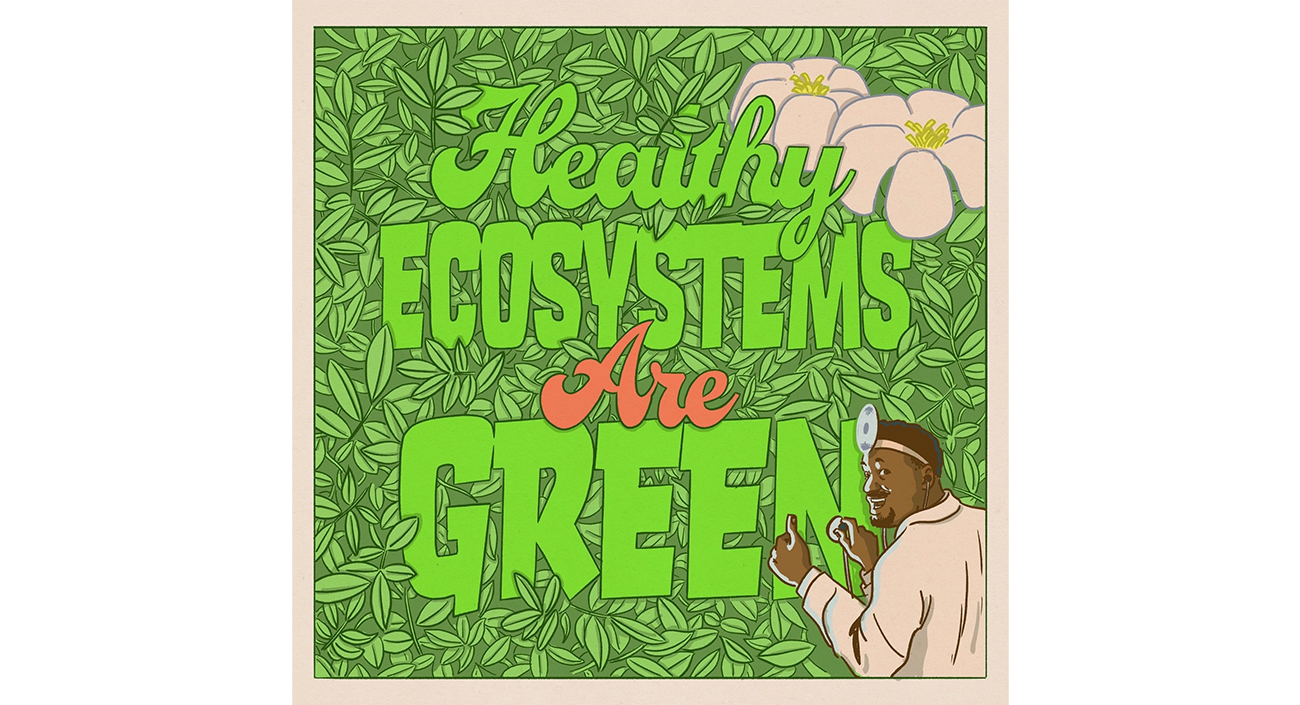
Myth: ‘Healthy ecosystems are green’
The idea that ‘green’ ecosystems are automatically more healthy is based on a long history of assumptions about nature.